
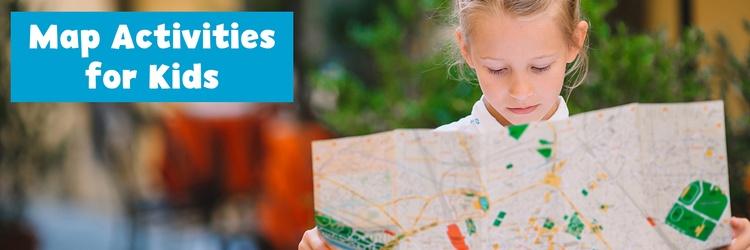
Map reading is an important tool for building children’s spatial reasoning skills and helping them make sense of our world. Spatial reasoning is a great way to see the connections between math and the physical world. Encourage your child to navigate, explore, and build with fun activities at home! Have your child practice their rights and lefts and practice moving in space by dancing to the Hokey Pokey. (If they haven’t learned to distinguish right from left yet, tie a piece of yarn around their right hand so they'll have a visual reminder.) Making and following a treasure map modeled on your own living room or backyard will help your child translate a two-dimensional bird’s-eye view into the three-dimensional real world. (Hide an object and mark it on the map with a red X for your child to hunt down. Then have your child hide an object and draw a map to help you find it!)
Questions to Ask Your Child
- How does a map help us with following or giving directions? Talk about how to give directions to get from place to place. As you drive or walk together, ask them to anticipate where you need to go next.
- Have you ever gotten lost? What happened? What did you learn from that experience?
- How can maps help us find our way, especially when we get lost? Where have you used a map?
Play and Learn Together With Children 2 to 5
Preschoolers spend a lot of time exploring and learning about their world, and as they do, they encounter lots of opportunities to develop their spatial skills. At this developmental stage, your child is beginning to build spatial vocabulary with words like: "above," "below," "next to," "inside," “near,” “far,” "outside" and "through." Knowing how far away things are from others is important for spatial awareness.You can work on measurement skills by playing the Jump Jump Measure! Game — jump as far as you can and then measure the distance using informal measurement tools. And playing with dolls, stuffed animals or action figures not only teaches important pretend play skills but also enhances your child’s spatial sense as they arrange furniture in rooms and place dolls in different positions.
Learn Along Bingo for Ages 2-5: Map Skills
Play and learn with this activity packet all about map skills.
Map Your Neighborhood
Help your child strengthen their skills by making a map of your street or neighborhood
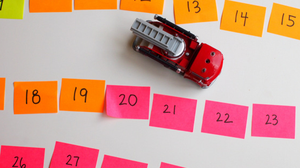
Fire Truck Number Hunt
Let your child take the driver’s seat practicing number recognition in this simple math game, Fire Truck Number Hunt.
Sharpen Measuring Skills by Playing Jump, Jump, Measure!
15 min activityJump as far as you can and then measure the distance using informal measurement tools.
Play Thinga-Ma-Jigger Hide-And-Seek
Help your child learn and expand their directional vocabulary by following the location of the Cat in the Hat’s Thinga-ma-jigger.
Go on a Length Hunt
Introduce your child to non-standard measuring tools, such as their feet, pennies, or string!
Play and Learn Together With Children 6 to 8
At this age, your child can start to locate points on a map using coordinates. (Playing the game of Battleship is a fun way to practice this!) See what happens when human impact divides animal habitats by playing the Habitat Mapping Game with your child. Or, create a neighborhood map to introduce your child to mapping and spatial skills while helping them gain a better understanding of their community. Go on a walk together to gain intel for your map. Point out different houses, roads, signs and nature — and ask questions such as: Which way should we go to get to our house? Which is closer to our house — the school or the grocery store? Are there any important landmarks in our neighborhood that help us know where we are?
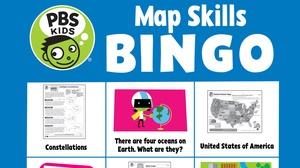
Learn Along Bingo for Ages 6-8: Map Skills
Play and learn with this activity packet all about map skills.
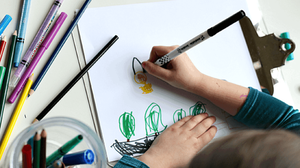
Make a Neighborhood Map
Help your child gain a better understanding of their community using mapping and spatial skills.
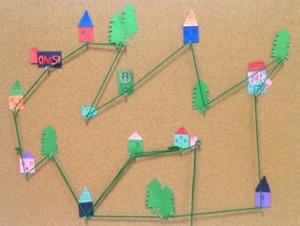
Make a Neighborhood Geoboard
Explore geometric shapes, scaling, perimeters and polygons with this homemade geoboard.
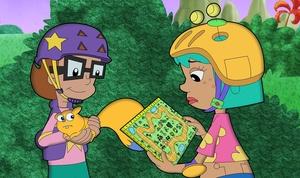
Make a Habitat Mapping Game
See what happens when human impact divides animal habitats.
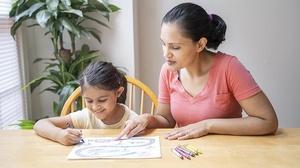
Let’s Make a Map!
30 min activityExplore the way from home to school by drawing a map with your child. Talk about what landmarks they notice along the way and encourage them to include them on the map.
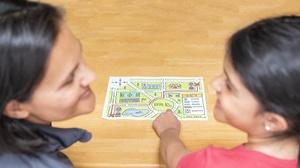
Create a Map to Tell a Story
30 min activityMake a map with Molly that shows the route of a trip you took and the landmarks you noticed along the way.
Play and Learn By Myself
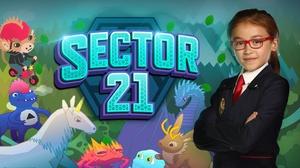
Sector 21
In this online game, your child will follow directional and landmark clues to navigate a map and locate the odd creatures of Sector 21.
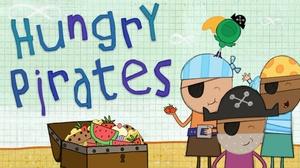
Hungry Pirates
A group of pirates needs help finding their treasure chest of snacks. Your child can practice counting, following directions, and developing map reading skills to find the treasure in this game for one or two players.
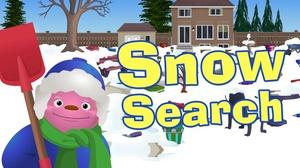
Snow Search
In this searching game, your child can practice spatial skills and learn about using maps while helping uncover toys hidden in the snow.
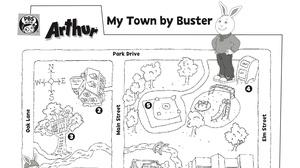
Buster's Town Activity
Help Buster make his way around town.
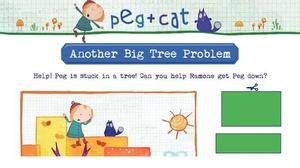
Another Big Tree Problem
Peg is stuck in a tree! Print and build a paper block structure to help her get down.
Abby and Rosita's Wand Chase
Join Abby and Rosita on an adventure and learn about new people, places, and things!
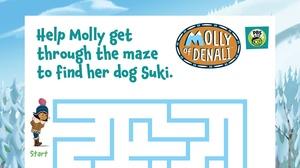
Molly of Denali Maze
Help Molly get through the maze to find her dog Suki.
Button Bop
Take on an Odd Squad challenge with this memory game. Follow and repeat a sequence of 10 sounds and shapes to become an expert button bop Odd Squad agent.
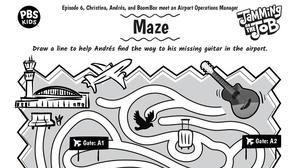
Jamming on the Job: Airport Operations Manager
Draw a line through this maze to help Andrés find the way to his missing guitar in the airport.
Read More
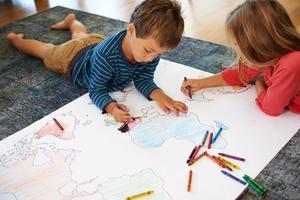
Why Children Still Need to Read (and Draw) Maps
While many skills have become obsolete in the digital age, map reading remains an important tool for building children’s spatial reasoning skills and helping them make sense of our world.
Planning a Trip? Let Your Child Help
Get your child excited about an upcoming trip by letting them help make the plans! Here are a few ways to get them started.
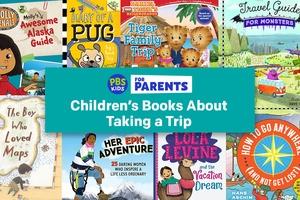
8 Children’s Books About Taking a Trip
Books can inspire curiosity about the world — and they can also show ways characters prepare to travel. Read these books together and then plan out your next adventure, real or imaginary!
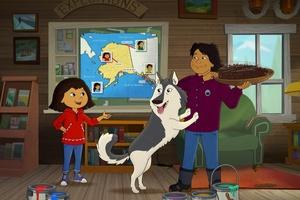
Talk About It: How Do Maps Help Us?
Maps can help us in so many ways. Find out how Molly uses a map to see where her friends live and then talk about different types of maps and their uses.
Spatial Skills: The Secret Ingredient to Children’s STEM Success
Here are three simple ways you can help your kids become visual thinkers.
Raising Info-Kids!: Using and Creating Informational Texts at Home
In Molly of Denali, Molly uses informational texts to explore the world around her, solve problems and help others in her community. How can your kids learn from informational texts?